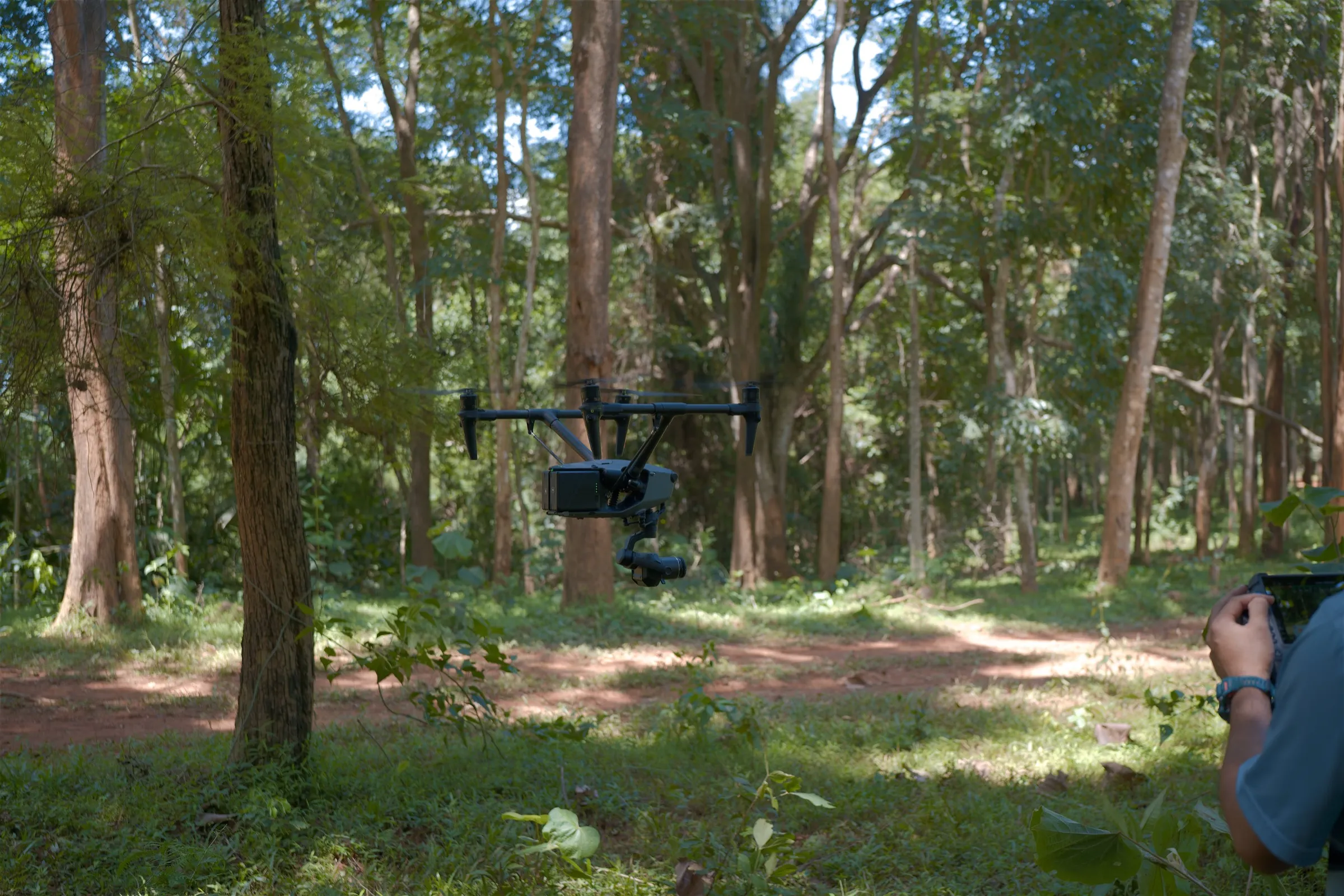
Aerial shots are part of almost every production we set up in Thailand, from car commercials to reality shows. Flying them legally takes more than packing a drone. Every camera drone has to be registered twice, insured, and flown away from a long list of restricted places. For a foreign crew, the registration alone can take longer than the shoot.
Two registrations, both before the first flight
A drone with a camera needs to be registered with two different authorities:
- NBTC, the telecom regulator, registers the drone as radio equipment.
- CAAT, the Civil Aviation Authority of Thailand, registers the drone and its operator for flying.
One without the other is not enough, and flying unregistered can lead to fines and even prison terms. Both need to be in place before the drone leaves the ground.
Shoot day 1
Ready to fly?- NBTC registrationDrone registered as radio equipment
- CAAT registrationDrone and pilot registered
- InsuranceThird-party cover, at least ฿1 million
- Film permitDrone shots listed in the application
- Location permissionOwner, district, or park authority
- Airspace checkClear of airports and restricted zones
Insurance
Third-party liability insurance is required for the CAAT registration, with cover of at least ฿1 million. On a film shoot, check that the policy covers commercial work and not only hobby flying.
Where you can't fly, or need extra permission
- Near airports. Bangkok has two international airports, and their approach paths cover a lot of the city.
- Government, military and royal sites. Palaces, government buildings and military areas are off limits without special approval.
- National parks and marine parks. Drones need written permission from the park authority, on top of the film permit.
- Border areas. Drone flights are prohibited in controlled districts of several border provinces.
- Over crowds. Festivals, markets and events need extra planning and usually extra permission.
Even where flying is allowed, the usual rules apply: keep the drone in sight, stay at a safe distance from people and buildings, and respect the height limits.
The film permit is a separate thing
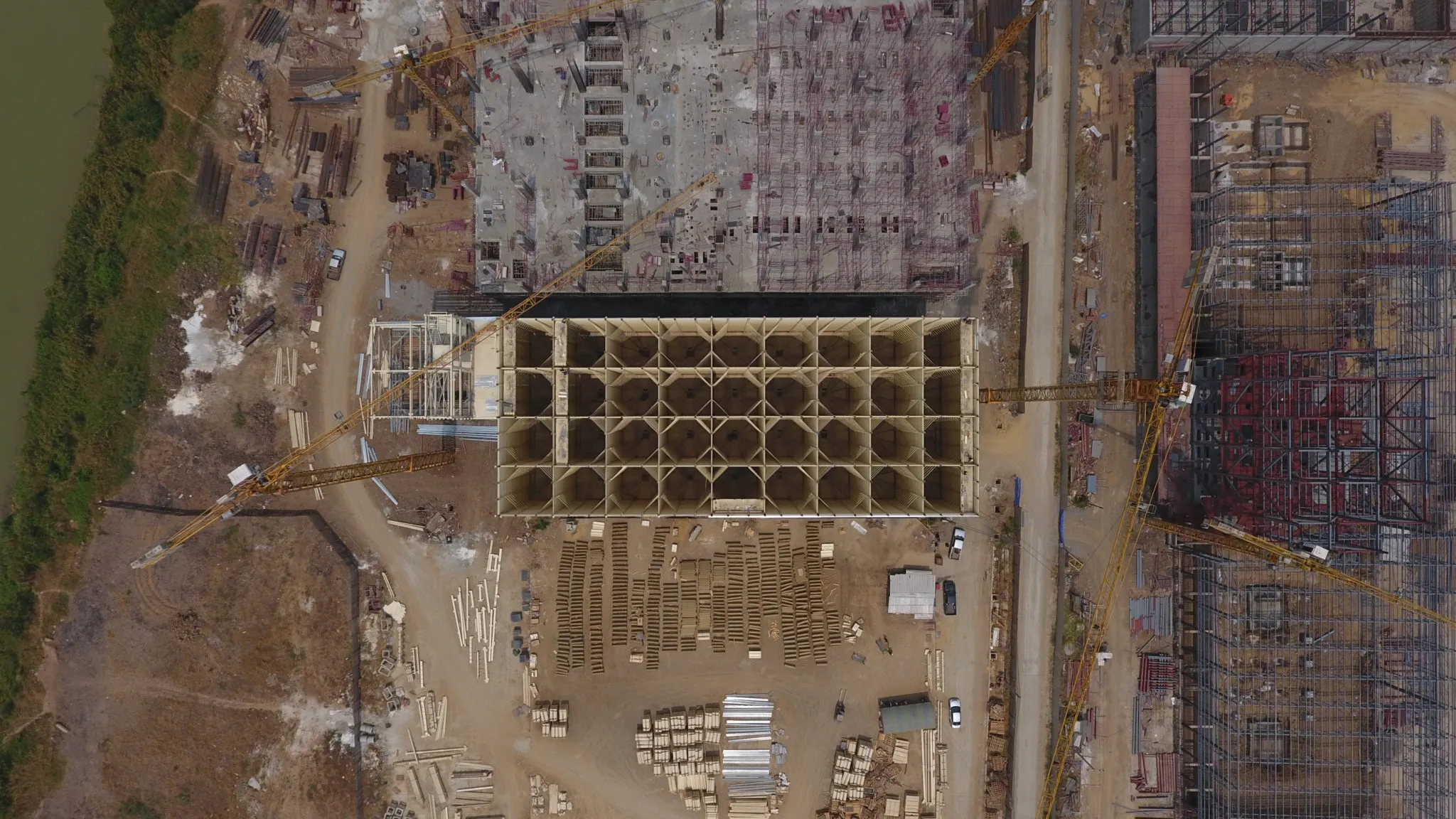
The NBTC and CAAT registrations make the drone legal. The film permit makes the shoot legal. Drone shots and the drone itself need to be in the film permit application, together with the locations they are flown at. Location permits then come on top: the owner, the district office, or the park authority.
Bring your own drone, or hire one here?
For most foreign crews, hiring locally is faster and cheaper.
Bring your own
Possible, but slow
- Registration has to be done for your drone in Thailand, and approval takes time
- The drone has to come through customs with the rest of the gear
- Your pilot still needs to be in the visa and work permit application
Makes sense for a specialist rig you can't get here
Hire locally
Registered and ready
- Drones already registered with NBTC and CAAT, and insured
- Thai pilots who know the rules and the restricted areas
- No extra visa for the pilot
The usual choice for commercials, series and documentaries
We have drones from compact cinema drones to the Inspire 3, FPV and heavy lift rigs, flown by our own pilots. See our drone filming work.
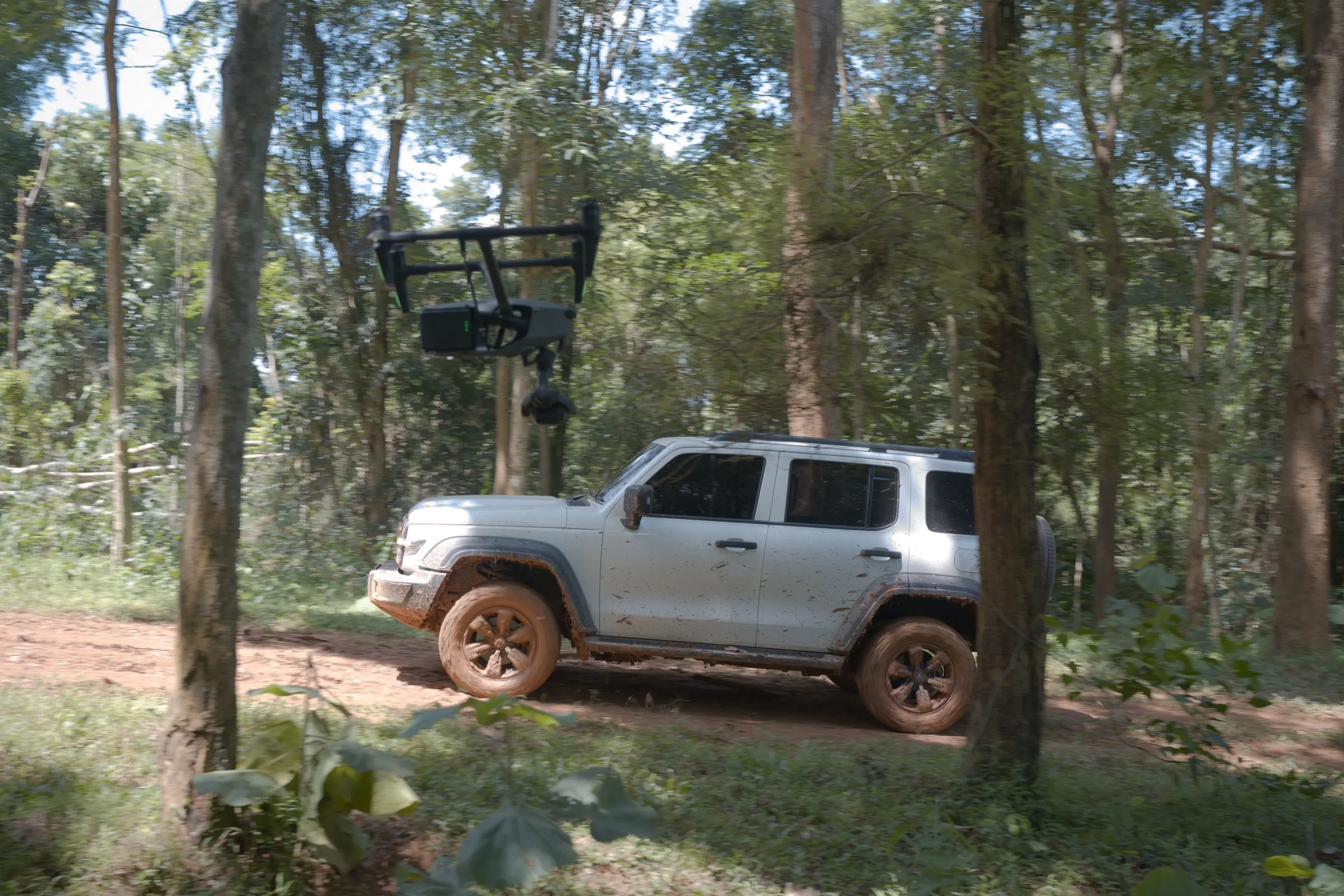
A drone launch, filmed by drone
For DJI's Avata launch campaign, we were the fixer for a week of FPV flying across Thailand, with locations, permits and flight approvals sorted before the crew arrived.
Rules change
Thailand updates its drone rules regularly. This page reflects them as of October 2026. Before every shoot, we check the current requirements and the airspace for each location.
Need aerials in Thailand? Send us your locations and we will check what can be flown and what it needs.